
1. First, See Which Compressor Failures Are Actually Preventable
Before discussing what to do, it helps to see how failures are distributed. Expensive compressor replacements very often begin with a handful of unremarkable day-to-day omissions.
| Root cause | Typical consequence | Preventable in daily use? |
|---|---|---|
| Clogged condenser, poor heat rejection | High-side pressure rises, cooling degrades, overload trips; long-term accelerated compressor wear | Fully preventable — routine cleaning, very low cost |
| Unstable voltage / aged battery / undersized cable | Electric compressor cuts out on low-voltage protection; current rises; windings overheat | Fully preventable — periodic checks of cabling, terminals and battery |
| Refrigerant leak left unattended | Oil is lost with the refrigerant → poor lubrication → noise → dragging and seizure | Preventable — leak-test as soon as oil staining appears; never blind-charge |
| Blocked lines or blocked cabin filter | Airflow collapses, supply-to-return temperature difference shrinks, system pressures go out of range | Preventable — filter cleaning and replacement on schedule |
| Long periods of disuse | Shaft seal dries out, sealing fails, leaks worsen | Preventable — run the system once a month |
| Non-compliant repair practices | Incomplete evacuation, wrong refrigerant or oil, system not flushed → repeat failure within weeks | Preventable — choose a competent workshop and specify the procedure |
In other words, genuine "unavoidable" age-related wear accounts for only a small share. The 12 rules below are ordered by return on effort.
2. The 12 Maintenance Rules
A. Operating habits (cost nothing, deliver the most)
- Switch off A/C three to five minutes before stopping, and leave the blower running. This dries the evaporator surface, greatly reducing mould and odour, and lowers the load at the next start-up.
- Use it regularly — do not leave it idle for months. Even in winter, run the A/C for around ten minutes a month so oil circulates through the circuit and the shaft seal stays lubricated and pliable. Long-term disuse dries the seal out and causes leaks.
- Avoid rapid on-off cycling. Every compressor start-up is a high-load moment; frequent cycling accelerates clutch and bearing wear.
- Vent the cabin before switching on A/C in extreme heat. A sun-soaked cabin can exceed 60 °C (140 °F); venting first noticeably reduces system pressure load and eases the compressor's start-up load.
B. Scheduled maintenance
- Clean the condenser regularly. Every month in hot, dusty or bug-heavy conditions — use low-pressure water or a soft brush, working along the fin direction. A condenser blocked by half can cut cooling capacity by more than 30% and push the high side towards the protection trip point.
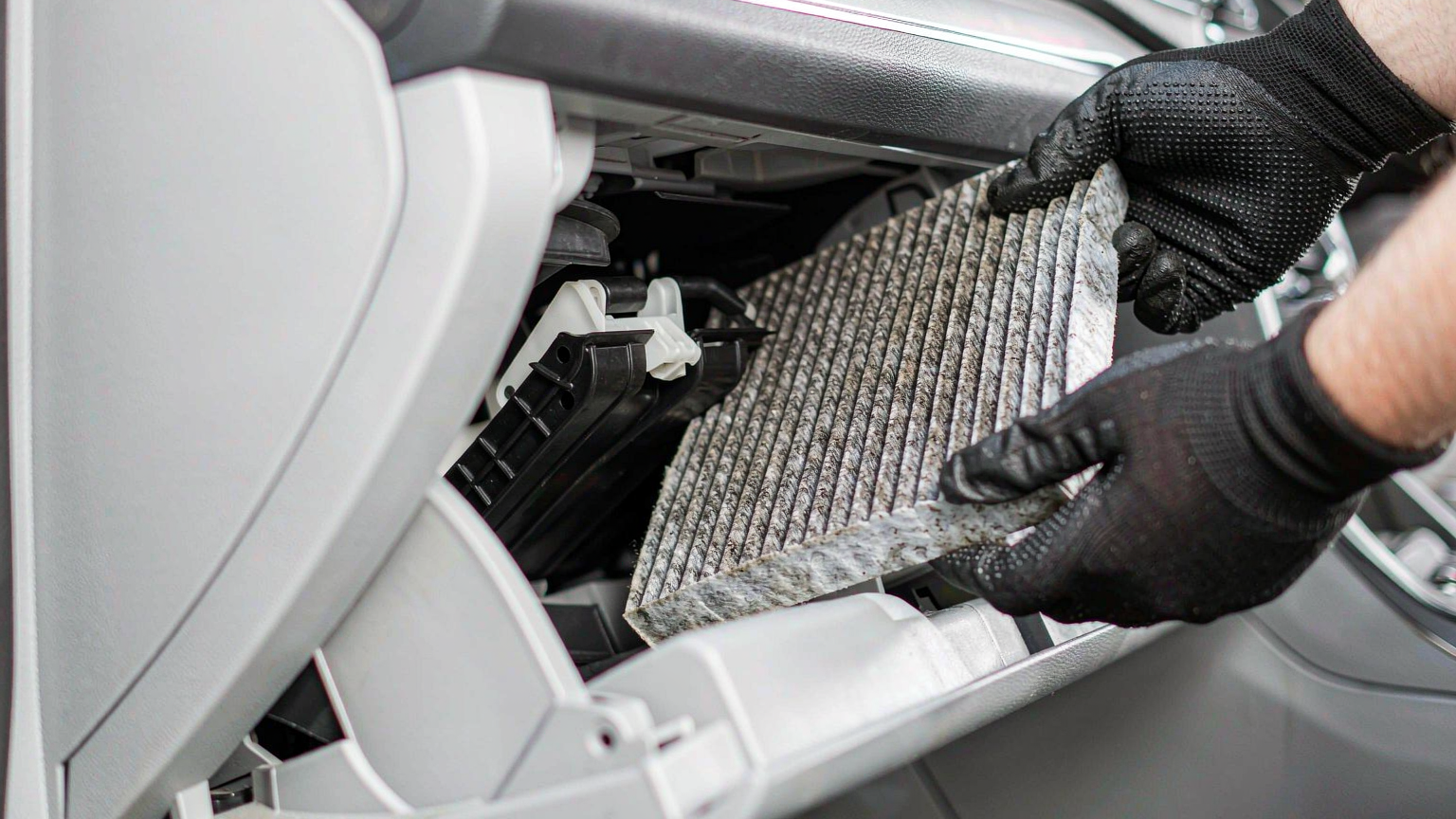
- Check and replace the cabin air filter. Inspect roughly every two months. A blocked filter collapses airflow and shrinks the supply-to-return temperature difference — frequently misdiagnosed as a compressor fault.
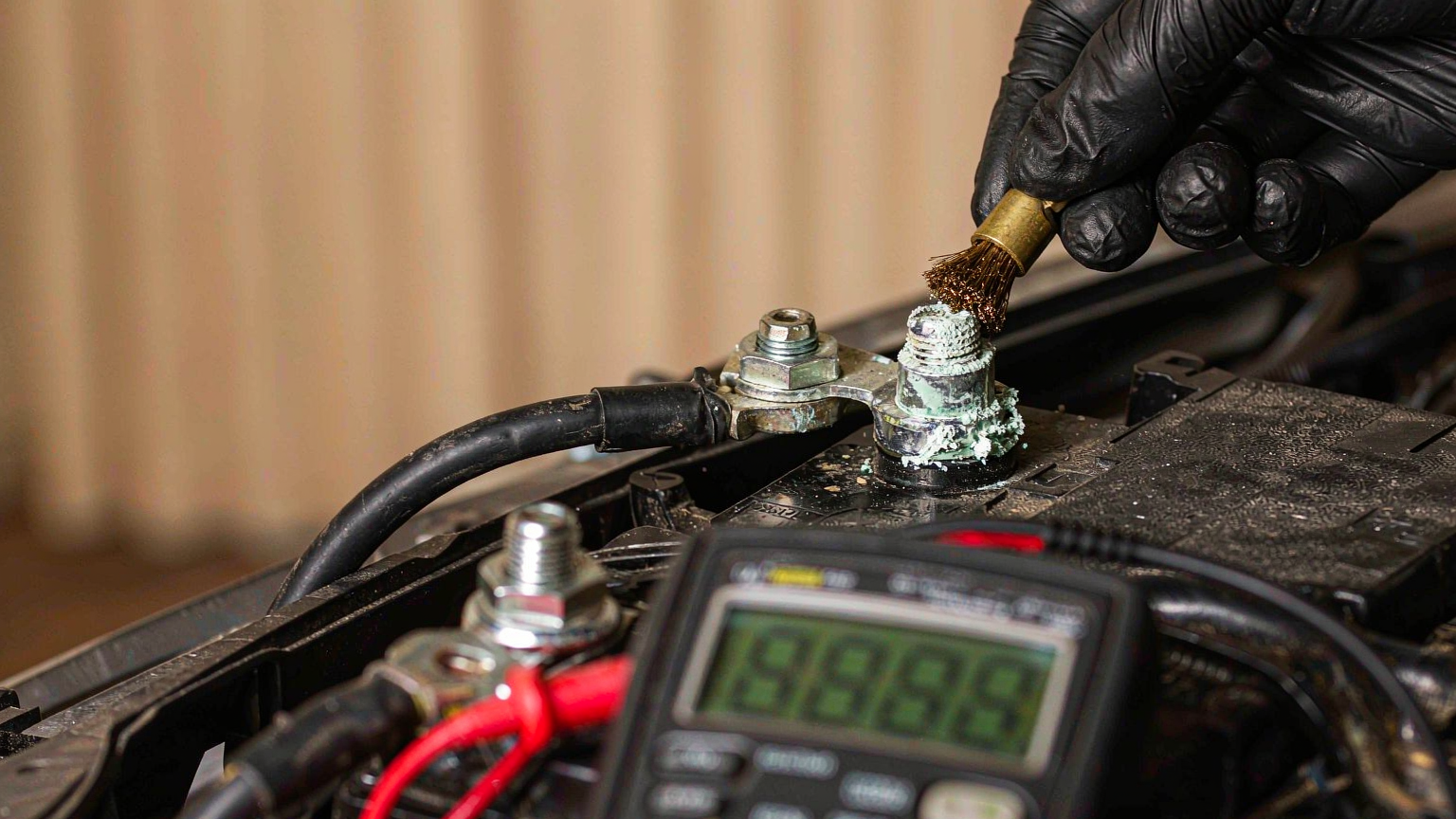
- Inspect power cabling and connectors. Quarterly: look for green corrosion, oxidation and looseness at the terminals. This is the number one trigger for low-voltage cut-out on parking air conditioners.
- Check the belt and clutch. At every service, inspect belt cracks, tension and clutch air gap — catching problems while they are still small.
- Do an annual leak and pressure check. Schedule it before the cooling season so slow leaks are found early.
C. Repair practices — where the worst mistakes are made
- Never blind-charge with refrigerant. "It is not very cold, so I will just top it up" is the most common mistake in this field. Refrigerant only goes down because there is a leak. Charging without finding it just postpones the problem by one season.
- Evacuate properly. Residual air and moisture in the system cause ice blockage, corrode the circuit and accelerate oil breakdown. Allow enough evacuation time, then confirm the system holds pressure before charging.
- Match the refrigerant and oil, and charge by weight. Follow the refrigerant type and charge quantity on the vehicle or unit nameplate, and use the oil grade specified for the system (PAG oil is common in R134a systems). Note that PAG oil is strongly hygroscopic — use an opened container promptly so the oil does not absorb moisture and carry it into the system.
3. Maintenance Schedule and Quarterly Fleet Inspection Checklist
Recommended maintenance schedule
| Item | Interval | Notes |
|---|---|---|
| Condenser cleaning | Monthly (hot / dusty regions) | Low-pressure water or soft brush along the fin direction; avoid a high-pressure jet, which flattens the fins |
| Cabin air filter | Inspect roughly every 2 months | Clean or replace when blocked — protects both airflow and temperature difference |
| Power cabling and terminals | Quarterly | Check for corrosion, oxidation and looseness; clean and tighten, upsize cable if voltage sag is found |
| Belt and clutch | Every service | Check cracks, tension (10–15 mm / 0.4–0.6 in deflection at mid-span is normal) and clutch air gap |
| Run the A/C to protect the shaft seal | At least 10 minutes monthly, winter included | Circulates oil and keeps the shaft seal lubricated and pliable |
| System leak and pressure check | Annually, before the cooling season | Combine vent temperature difference with high/low side readings to catch slow leaks early |
Fleet management: a quarterly inspection checklist
For fleets operating in hot regions, we recommend a quarterly inspection sheet recording four data points. They cost almost nothing and cover the early warning signs of most failures described above — turning roadside breakdowns into planned maintenance:
- Supply-to-return air temperature difference — below 8 °C (14 °F) goes onto the fault list (10–14 °C / 18–25 °F is ideal);
- Compressor voltage under load — at or above roughly 22.5 V on 24V systems and roughly 11.5 V on 12V systems, measured while running;
- Condenser cleanliness — dust, pollen or insect debris caked between the fins;
- Belt and clutch appearance — cracks, oil contamination, signs of abnormal noise.
Important: the temperature differences, voltages and other figures quoted here are common reference ranges. Always confirm against the service manual or nameplate for the specific vehicle or unit — ambient temperature, system design and refrigerant type all affect the readings.
4. Frequently Asked Questions
- Q1: How often does refrigerant need topping up — and why can't I just add some?
- A properly sealed A/C system should not need periodic refrigerant top-ups at all. If you find yourself adding refrigerant repeatedly, there is a leak. Refrigerant and oil circulate together, so adding refrigerant does not add oil; a long-running "top up only" habit leads to poor lubrication and eventual compressor failure. The correct procedure is: leak-test → repair → evacuate → charge by weight.
- Q2: I don't use the A/C in winter — can I just ignore it?
- No — and this is one of the most damaging habits. Long periods of disuse dry out the shaft seal and cause it to leak, which only becomes apparent when the cooling season starts. Run the system for about ten minutes a month through winter so oil circulates once through the circuit and the seal stays lubricated and pliable.
- Q3: When the A/C isn't cold, isn't adding refrigerant the easiest fix?
- Easy in the short term, expensive in the long term. The root cause may be a clogged condenser, a blocked filter, a failed fan, sensor drift — or genuine compressor efficiency loss, none of which a top-up will fix. Overcharging can also raise the high side into the protection range and damage the compressor. Measure the vent temperature difference and system pressures first, then decide.
- Q4: My parking air conditioner shuts down constantly in summer — how do I prevent that?
- Focus on two things: power supply and heat rejection. Keep the battery healthy and the cable adequately sized, and keep terminals clean and tight, so voltage does not sag into low-voltage protection while the compressor runs. At the same time, keep the condenser clean and the condenser fan working to avoid a high-pressure trip. Do both consistently and the great majority of "automatic shutdown" complaints disappear.
- Q5: What should I insist on when a compressor is repaired or replaced?
- Three things: first, find and repair the leak rather than only replacing the compressor. Second, evacuate properly and confirm the system holds pressure, then charge by weight with the correct refrigerant and oil. Third, if the failed compressor produced metal debris, the system must be flushed and the receiver-drier replaced — otherwise the new compressor will be destroyed by residual debris in a very short time.
About Holicen — Changzhou Holicen New Energy Technology Ltd.
Holicen specialises in vehicle thermal management products, including automotive A/C compressors (rotary vane, scroll and electric), electric parking air conditioners and diesel parking heaters. Our products are designed for 12V / 24V vehicle systems and are widely used on trucks, RVs, construction machinery and new-energy vehicles. For technical support, product selection advice or after-sales service documentation, please contact us.
Website: hlskaac.com | Email: holicen@hlskaac.com
Post time: Oct-08-2026